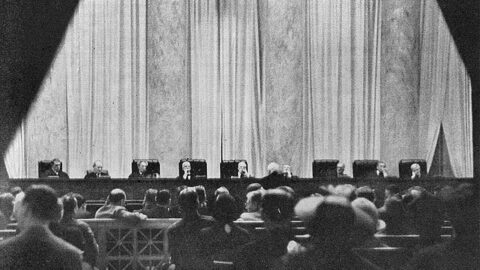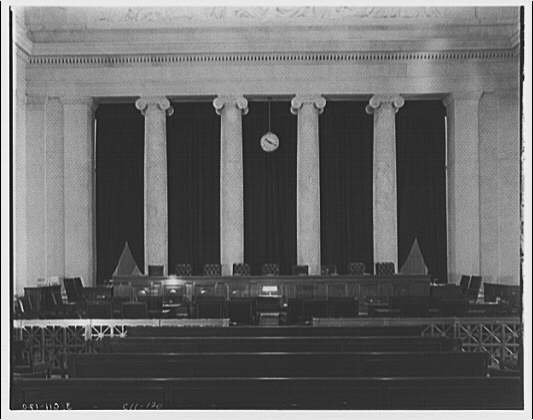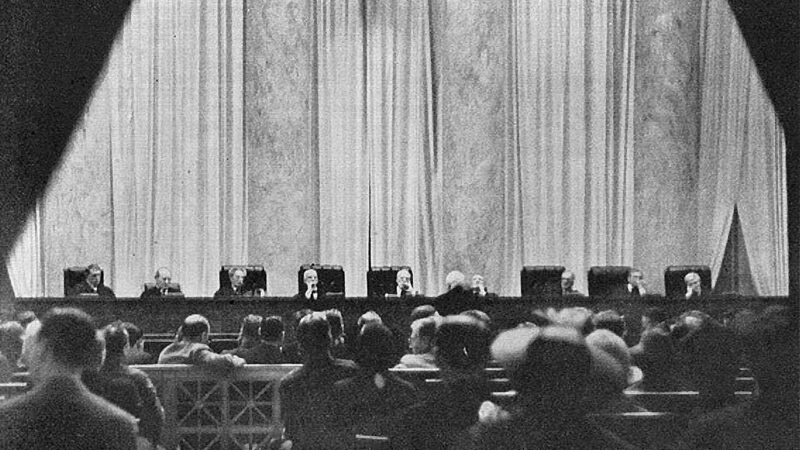
The United States Supreme Court gaveled in its October 2026 term on Monday, October 5, opening what legal analysts describe as one of the most consequential terms in recent memory. The first case on the docket immediately drew national attention: a climate change lawsuit in which the County Commissioners of Boulder County, Colorado, seek financial damages from energy giants ExxonMobil and Suncor Energy over alleged harms linked to fossil fuels.
The case, Suncor Energy v. County Commissioners of Boulder County, tests whether state law lawsuits against oil companies over climate damages can proceed in state courts or must be dismissed under federal law. Dozens of similar lawsuits have been filed by cities, counties, and states across the country, and legal experts say billions of dollars could be at stake depending on how the justices rule.
Republican attorneys general have urged the court to block the lawsuits, arguing that one state should not be able to regulate activities taking place in another. Michael Williams, the solicitor general for West Virginia, told reporters that allowing such suits would effectively let local governments set national energy policy through litigation. Supporters of the lawsuits counter that energy companies should face accountability in court for the local costs of a warming climate, from wildfire damage to flooded infrastructure.
The term opened with an unexpected development when Justice Samuel Alito recused himself from the Boulder case roughly a week before oral arguments, without any public explanation. The recusal leaves eight justices to decide the case, raising the possibility of a 4-4 split that would leave the lower court ruling in place without setting a national precedent.
Beyond the climate fight, the justices have a crowded docket of roughly 30 granted cases. In December, the court will hear two major Second Amendment cases, Viramontes v. Cook County and Grant v. Higgins, testing whether states and localities can ban AR-15 style semiautomatic rifles. The court will also confront significant immigration disputes, including whether the Trump administration may deport migrants to third countries and detain immigrants without bond hearings.
Other potential blockbusters on the horizon include disputes over documentary proof of citizenship for voter registration, the exclusion of religious schools that discriminate against LGBTQ families from taxpayer funded programs, state laws requiring the Ten Commandments in public school classrooms, legal protections for providers who mail abortion medication across state lines, and the regulation of prediction markets such as Kalshi and Polymarket.
The term began just one day before the 2026 midterm elections, and court watchers warn that the justices could soon face emergency applications stemming from election disputes. With a 6-3 conservative majority, the court has steadily moved American law in a rightward direction this decade, and this term promises to test how far that trajectory extends.
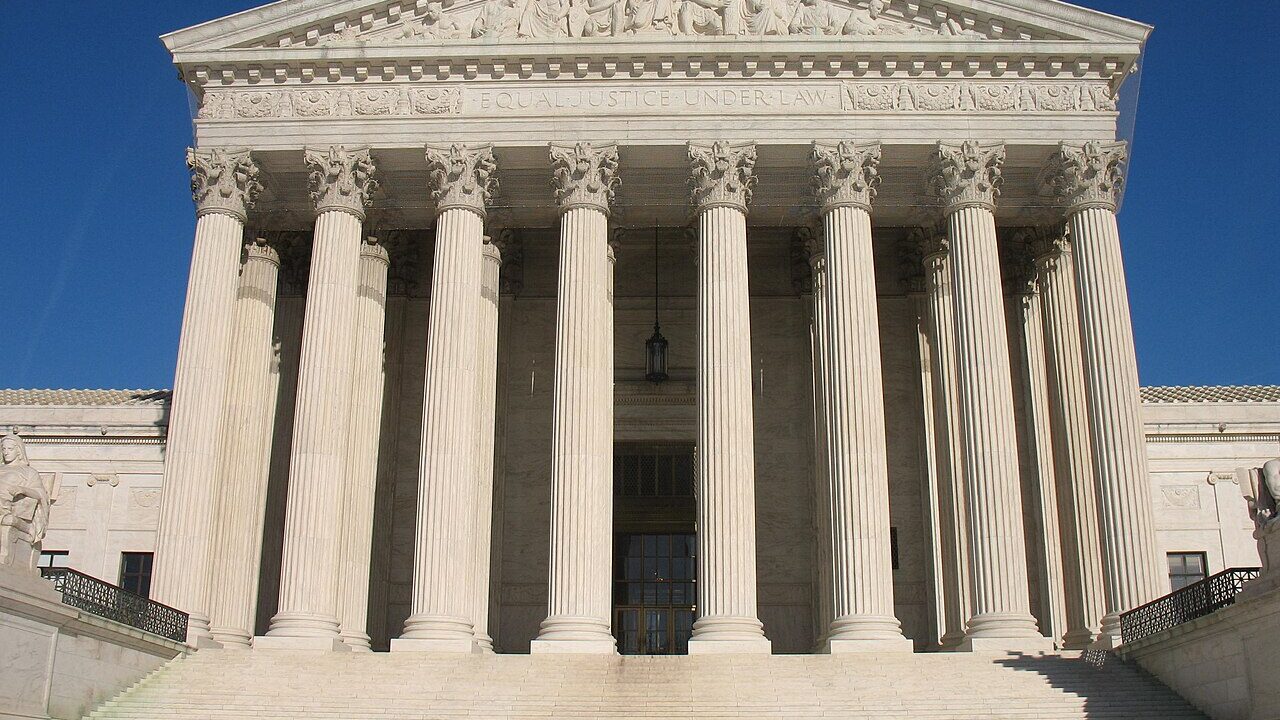
Sources: Political.org, QNC News. Image: U.S. Supreme Court building, CC BY-SA 3.0 by Kjetil Ree via Wikimedia Commons.