Q: What is the DOGE records case about?
A: The Supreme Court has agreed to decide whether federal courts can order extensive discovery involving the Department of Government Efficiency, known as DOGE, in a dispute brought under the Freedom of Information Act. At its core, the case asks how transparent an unconventional government entity must be when it wields real power over federal agencies.
Q: What is DOGE?
A: DOGE was established by President Donald Trump in January 2025 to modernize federal technology and improve government efficiency. Although it is not a cabinet level department, it has participated extensively in efforts to reduce federal spending and staffing across the government, giving it unusual influence for its formal status.
Q: Why does its status matter?
A: Much of transparency law turns on what counts as an agency and what counts as protected deliberation. If DOGE functions like an agency, its records may be subject to broader disclosure. The administration argues that sweeping discovery would intrude on confidential internal deliberations that every executive needs to function. Transparency advocates respond that an entity reshaping the federal workforce cannot operate in the dark.
Q: What happens next?
A: The case will be briefed and argued during the October 2026 term, with a decision expected by mid 2027. The ruling could set the rules for FOIA litigation involving novel executive branch structures, a question likely to recur as presidents continue to create special purpose entities.
Q: Why should non lawyers care?
A: Because the case will help determine what the public gets to know about how its government makes decisions. FOIA is often called the law that keeps the government honest, and its strength depends on courts enforcing it even when the executive branch resists.
Q: Has the court decided similar cases before?
A: The court has a long history of FOIA and executive privilege disputes, but DOGE’s unusual structure makes this case novel. Past decisions have generally tried to preserve a sphere of confidential presidential deliberation while insisting that agencies cannot hide purely factual material. How those precedents map onto a hybrid entity like DOGE is the open question.
Q: What is the timeline?
A: Briefing will take place over the coming months, with oral argument likely in early 2027 and a decision by the end of the term. Watch for amicus filings from transparency groups and former government officials, which often signal how broadly the court might rule.
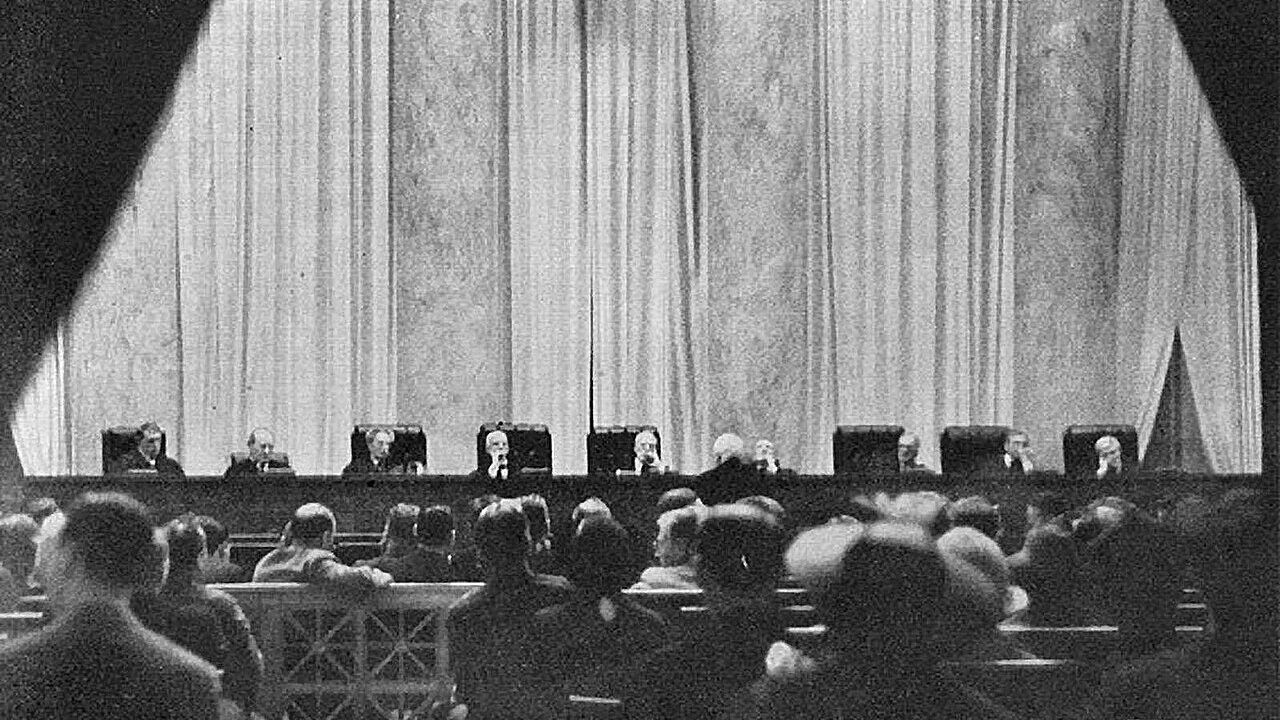
Sources: Beinsure, JD Supra. Image: Historic Supreme Court interior, public domain via Wikimedia Commons.