One of the most politically explosive questions facing the Supreme Court this term is whether states may deny federal election ballots to voters who fail to provide documentary proof of citizenship when registering to vote.
The dispute sits at the intersection of two powerful currents in American election law: the push by several states to tighten registration requirements in the name of election integrity, and the federal protections that voting rights advocates say guarantee access to the ballot. The National Voter Registration Act and related federal laws set baseline rules for federal elections, and the question is how much additional documentation states can demand.
Supporters of proof of citizenship requirements argue that they are a commonsense safeguard against noncitizen voting, even though documented cases of such voting remain extremely rare. They point to public confidence in elections as a compelling state interest, particularly after years of contested claims about election security.
Opponents counter that millions of eligible American citizens lack ready access to documents like passports or birth certificates, and that documentary requirements disproportionately burden young voters, elderly voters, low income voters, and members of minority communities. They warn that the requirements function as a modern barrier to the franchise.
The issue arrives at the court alongside a cluster of related election disputes. In New Hampshire, a federal judge recently split the difference in a voter ID case, upholding the legislature’s elimination of student IDs as accepted voter identification while blocking a state directive that went further than the statute. The Supreme Court’s eventual ruling on proof of citizenship could reshape registration rules in every state.
Timing adds urgency. The court’s term opened on October 5, 2026, just one day before the midterm elections, and the justices could face emergency applications arising from election administration disputes. Any decision on proof of citizenship would likely come after the midterms, but its shadow already hangs over state election offices planning for 2028.
Court watchers describe the case as a potential landmark in the ongoing struggle over who gets to vote and under what conditions, with consequences that could endure for decades.
Several states have already moved to implement documentary requirements for state elections, creating a patchwork in which the rules for federal and state races on the same ballot could differ. Election administrators warn that bifurcated systems increase complexity, cost, and the risk of voter confusion, while supporters say states should not have to wait for federal permission to secure their elections.
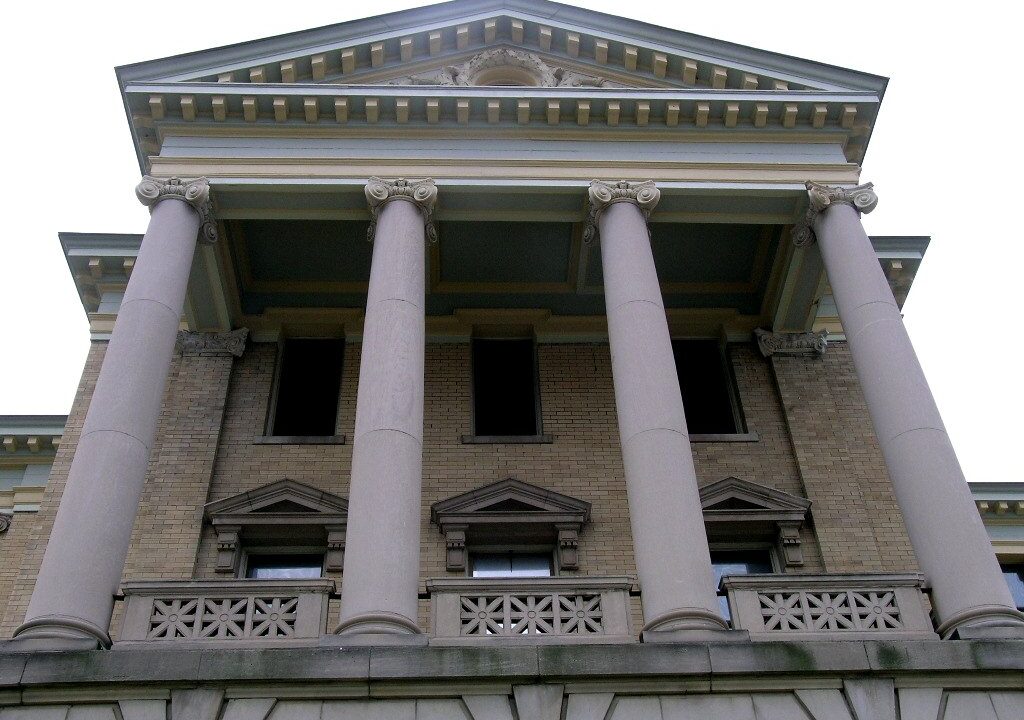
Sources: DNTWOK, MyCentralOregon. Image: County courthouse columns, CC BY-SA 2.0 by Oliver Dixon via Wikimedia Commons.